
Books That Help Us Rise
Personal recommendations on resilience, leadership, healing, and spiritual growth
Books have long held a meaningful place in my life. As a child, libraries offered refuge from chaos and opened possibilities beyond my immediate circumstances. Today, reading continues to offer opportunities to learn, reflect, and grow.
This collection brings together books I have read and would like to share with you. They explore different aspects of being human—from building meaningful relationships and understanding our emotions to healing, finding purpose, and deepening our spiritual lives.
Alongside each book, I will share a personal reflection on why it belongs here. My hope is that you will discover a voice, an idea, or a story that speaks to your own journey.
—Cynthia Goble
Founder, Rise And Resilience, LLC

Nice Girls DO Get the Sale
Relationship Building that Gets Results
By Elinor Stutz
My Reflection
What stayed with me most was Elinor Stutz’s emphasis on building lasting success while staying true to who we are. Her approach resonated with my own journey toward reclaiming my identity and finding my voice within demanding professional environments.
I especially appreciated her recognition of empathy and active listening as strengths that build trust. In my own working life, the resilience and awareness shaped by my childhood became valuable assets in understanding people and navigating complex relationships.
This book reinforced something my experiences have taught me: meaningful success grows through genuine connection. Listening carefully, respecting others, and leading with integrity belong at the center of how we work.
Who Might Appreciate This Book
Readers seeking to build professional relationships, strengthen their confidence, and pursue success in ways that honor their values.

The Other Kind of Smart
Simple Ways to Boost Your Emotional Intelligence for Greater Personal Effectiveness and Success
By Harvey Deutschendorf
My Reflection
Harvey Deutschendorf’s exploration of emotional intelligence resonated with my personal and professional journey. Over time, the awareness I developed while navigating an uncertain childhood grew into a deeper understanding of myself, empathy for others, and sensitivity to the dynamics of professional relationships.
I appreciated his emphasis on developing the ability to handle stress and respond thoughtfully to strong emotions. My own growth has taught me how much it matters to carry responsibility while caring for our emotional well-being and staying grounded in our values.
This book also prompted me to reflect on the difference between performing well and leading well. Technical knowledge has its place, but listening, understanding people, and building trust bring another kind of strength to leadership. For me, that growth has included reclaiming my voice and recognizing that professional success can honor who I am.
Who Might Appreciate This Book
Readers who want to deepen their self-awareness, navigate stress more thoughtfully, and strengthen their relationships at work and in everyday life.
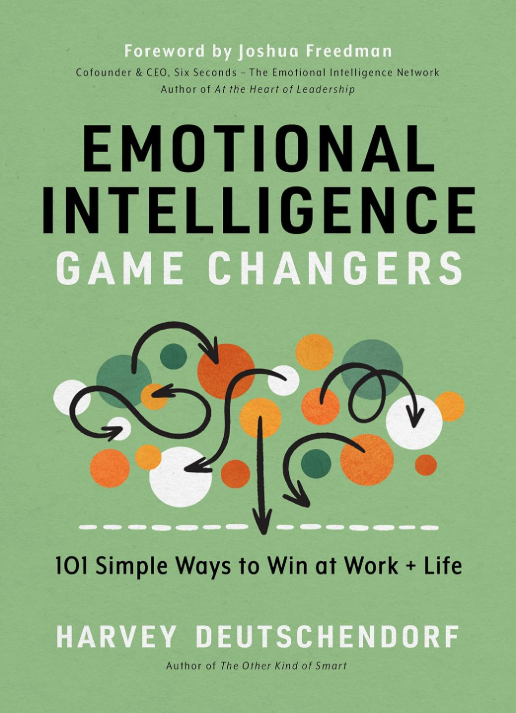
Emotional Intelligence Game Changers
101 Simple Ways to Win at Work + Life
By Harvey Deutschendorf
My Reflection
What I appreciated most about Emotional Intelligence Game Changers was its emphasis on putting emotional intelligence into practice through small, intentional actions. My own journey has involved years of healing and self-discovery. This book reminded me that sustaining that growth also depends on how we respond to everyday pressures and interactions.
Its practical approach to adaptability, setbacks, and interpersonal challenges connected with my understanding of resilience. Surviving difficult circumstances is part of my story, but resilience continues in daily choices: pausing before responding, adjusting when circumstances change, and staying grounded in my values.
Having carried heavy responsibilities alone, I also appreciated the attention to strengthening relationships. For me, these practices connect personal growth with the kind of leadership that helps people feel heard, supported, and able to contribute.
Who Might Appreciate This Book
Readers seeking practical ways to bring emotional intelligence into daily life, navigate workplace challenges, and build more supportive relationships.
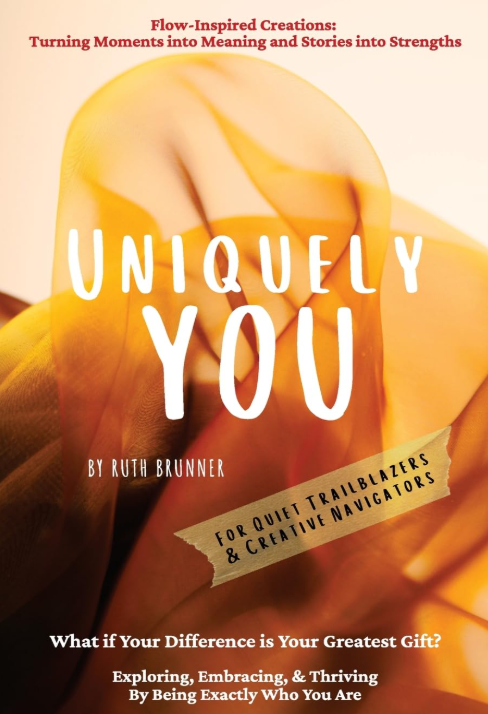
Uniquely You
What If Your Difference Is Your Greatest Gift?
By Ruth Brunner
My Reflection
Ruth Brunner’s invitation to see our differences as gifts resonated with my journey toward accepting myself and reclaiming my voice. After a childhood of foster-like placements outside the formal foster care system, and later demanding professional environments, I understand how easily fitting in can become a means of survival.
This book encouraged me to reflect on belonging within myself. For me, that has meant recognizing that my history does not diminish my worth and that I can honor who I am while building meaningful connections with others.
I also connected with the idea that an unusual life path can offer insight and strength. Healing has helped me understand how the awareness and adaptability I developed through adversity could inform my empathy and leadership.
Writing my memoir became part of that reclamation. Telling my story in my own voice allowed me to move beyond enduring my past and begin making meaning from it—while offering others encouragement to seek healing, possibility, and joy.
Who Might Appreciate This Book
Readers exploring identity and belonging, learning to value their differences, or finding the courage to tell their own stories.
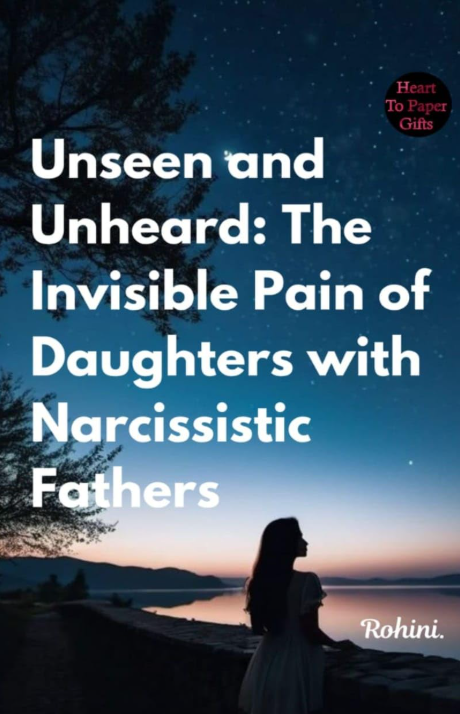
Unseen and Unheard
The Invisible Pain of Daughters with Narcissistic Fathers
By Rohini Qureshi
My Reflection
What resonated with me most in Rohini Qureshi’s book was its attention to the quiet pain of growing up without having our emotional needs recognized. Although my circumstances were different, my childhood in foster-like placements outside the formal foster care system left me familiar with uncertainty, vigilance, and carrying difficult feelings alone.
Her exploration of seeking validation through achievement also prompted personal reflection. In my own life, striving to succeed sometimes meant carrying more than others could see. Healing involved learning that my worth did not depend on what I accomplished or how much I could endure.
This book connected with my belief in the importance of finding our voice and telling our story on our own terms. Writing my memoir helped me acknowledge experiences I had carried for years and make room for belonging, emotional freedom, and joy.
Who Might Appreciate This Book
Readers who identify with the experiences described in the book, particularly daughters seeking understanding and language for painful family relationships, and those reflecting on self-worth, boundaries, and reclaiming their voice.
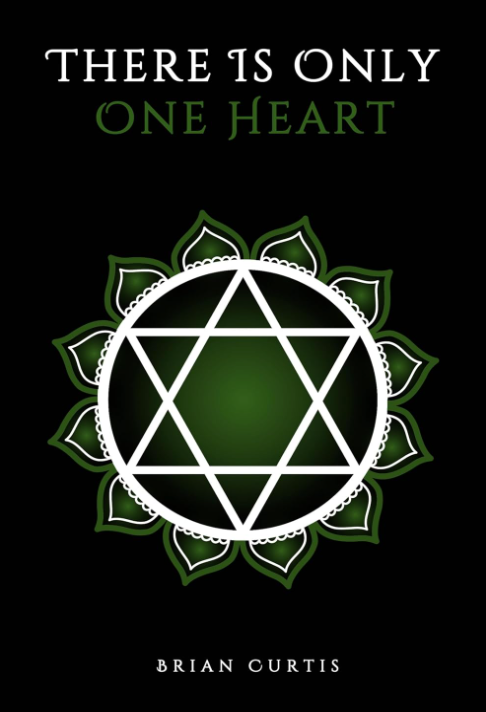
There Is Only One Heart
By Brian Curtis
My Reflection
What resonated with me most in Brian Curtis’s book was its invitation to become more open through deeper self-understanding. In my own life, healing has involved gradually moving beyond the protective habits that helped me survive and learning to make room for trust, connection, and a fuller sense of who I am.
His emphasis on connection prompted me to reflect on belonging. After a childhood of foster-like placements outside the formal foster care system, I spent years searching for acceptance. Part of my growth has been discovering a sense of belonging within myself while allowing meaningful relationships to enrich my life.
I also connected with the relationship between our inner values and outward actions. My professional journey taught me that fulfilling responsibilities and achieving results are only part of leadership. Leading with integrity means bringing self-awareness, compassion, and honesty to the choices we make each day.
Who Might Appreciate This Book
Readers drawn to reflective approaches to personal growth, spiritual connection, and bringing their everyday choices into closer alignment with their values.

Coherence: From Hydrogen to Humanity
Recursive Awakening and the Architecture of Planetary Consciousness
By Zen Benefiel
My Reflection
What stayed with me most in Zen Benefiel’s Coherence was the idea of finding alignment amid complexity and disruption. I connected this with my own experience of rebuilding a sense of stability after a childhood of foster-like placements outside the formal foster care system. For me, healing involved gradually bringing my feelings, values, and sense of identity into a more coherent whole.
I also found a meaningful connection to my professional life. My most fulfilling growth came as I learned to lead in ways that reflected who I was—through trust, empathy, and ethical integrity. That alignment helped me bring greater steadiness to demanding responsibilities.
The book’s exploration of connection between inner experience and the wider world invited me to consider how personal healing can influence our relationships and communities. My own journey has shown me that growing in self-understanding can change how we listen, respond, and contribute to the lives of others.
Who Might Appreciate This Book
Readers interested in exploring connections among consciousness, spirituality, systems thinking, and leadership, particularly those drawn to expansive reflections on personal and collective growth.
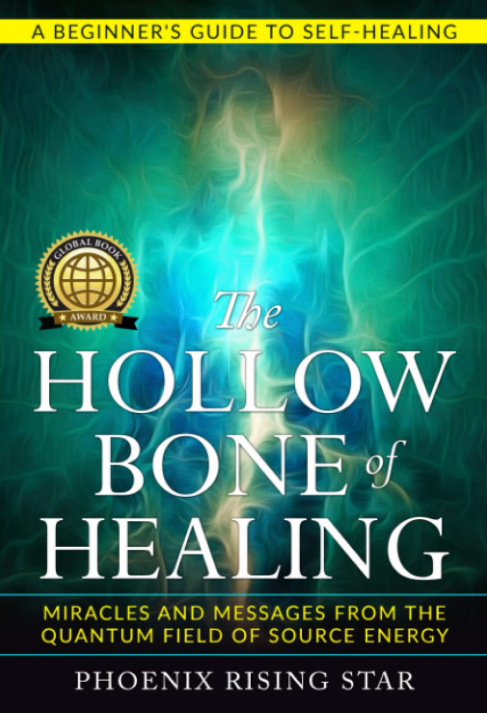
The Hollow Bone of Healing
Miracles and Messages from the Quantum Field of Source Energy
By Phoenix Rising Star
My Reflection
The “hollow bone” metaphor in Phoenix Rising Star’s book invited me to reflect on making room for purpose and connection as we heal. In my own journey, that has meant gradually softening the protective habits I developed during a childhood of foster-like placements outside the formal foster care system, while honoring how those habits once helped me survive.
I connected with her exploration of spiritual growth through personal crisis. Looking back, I recognize how reflection, support, and my spiritual life helped me find meaning amid difficult experiences. Over time, that healing deepened my compassion and shaped my desire to encourage others.
The book also prompted me to consider the movement from vigilance toward trust. Learning to feel safer within myself has allowed more room for peace, belonging, and joy. Sharing my story is one way I hope to offer that same sense of possibility to others.
Who Might Appreciate This Book
Readers drawn to spiritual perspectives on healing, intuitive exploration, and finding renewed meaning and purpose through life’s challenges.

Discover Your Amazing Edge
Crushing Challenges and Finding Personal and Professional Success
By Zev Halpern and Sarah Polyakov
My Reflection
What resonated with me most in Zev Halpern and Sarah Polyakov’s book was the invitation to recognize strengths we may overlook in ourselves. Reflecting on my childhood in foster-like placements outside the formal foster care system, I can see how healing and experience helped me develop resilience, empathy, and resourcefulness that later informed my professional life.
I also connected with the importance of stepping back and asking honest questions about the life we are building. My own growth involved examining expectations I had carried for years and learning to make choices grounded in my values, potential, and sense of identity.
The emphasis on meaningful contribution gave this book particular relevance for me. Recognizing our strengths can help us find fulfillment and offer something valuable to others. Through writing and sharing my story, I hope to encourage people to discover their own possibilities for healing, belonging, and success.
Who Might Appreciate This Book
Readers reassessing their direction, seeking to recognize their strengths, or exploring how personal growth can support professional fulfillment and meaningful contribution.

Light Shines in the Darkness
The Magic of Christmas
By Susanne Coalson Donoghue
My Reflection
What stayed with me most in Susanne Coalson Donoghue’s book was the image of light remaining present through darkness. It connected with my own experience of holding on to hope during a childhood marked by uncertainty, isolation, and foster-like placements outside the formal foster care system.
I also reflected on how holidays can deepen our longing for belonging. When familiar traditions and dependable relationships are missing, the season can bring complicated feelings. For me, discovering spiritual comfort and moments of kindness helped keep alive the possibility of connection.
This book reminded me that healing can make room for warmth and joy, even when painful memories remain. My own journey toward a deeper sense of belonging has taught me to recognize those moments of light and appreciate the people and experiences that help nurture them.
Who Might Appreciate This Book
Readers seeking a reflective Christmas read about hope and spiritual meaning, especially those navigating loneliness, change, or a longing for connection during the holiday season.

Spiritual Sparks: A Reader
By Ze'ev Smason
Spiritual Growth | Wisdom for Everyday Life | Meaning and Purpose
About the Book
In Spiritual Sparks: A Reader, Rabbi Ze'ev Smason invites readers to discover greater meaning, purpose, and joy through stories and reflections rooted in timeless spiritual wisdom.
Through 16 thought-provoking selections, Ze'ev explores the ways our perspectives, choices, relationships, and everyday experiences can become opportunities for personal and spiritual growth.
His approachable reflections encourage us to look beyond the distractions of daily life, recognize the importance of small acts of kindness, and consider how we might live with greater awareness, gratitude, and compassion.
My Reflection
What I appreciate about Ze'ev's writing is his ability to connect spiritual wisdom with the ordinary experiences of being human.
His reflections remind me that growth does not always emerge from extraordinary events. Sometimes it begins with a moment of awareness, a change in perspective, an act of forgiveness, or a willingness to see another person with greater understanding.
My own journey has taught me the importance of searching for meaning beyond difficult circumstances and recognizing the ways our experiences can deepen our compassion for others.
Ze'ev's approach to spiritual reflection resonates with that understanding. His writing invites us not simply to acquire wisdom, but to consider how we might express it through the way we live and treat one another.
I am grateful to have come to know Ze'ev and to share his work with readers who are seeking greater spiritual awareness and purpose.
Who Might Appreciate This Book
This book may especially resonate with:
Readers interested in spiritual growth and timeless wisdom.
Those seeking greater meaning, purpose, and joy in everyday life.
Individuals who appreciate thoughtful stories that encourage self-reflection.
Leaders who want to cultivate humility, empathy, and greater awareness of others.
Anyone who believes that even small choices and acts of kindness can have a lasting influence.
Spiritual Sparks: A Reader reminds us that a meaningful life is shaped not only by what we accomplish, but also by what we notice, what we learn, and the goodness we bring into the lives of others.
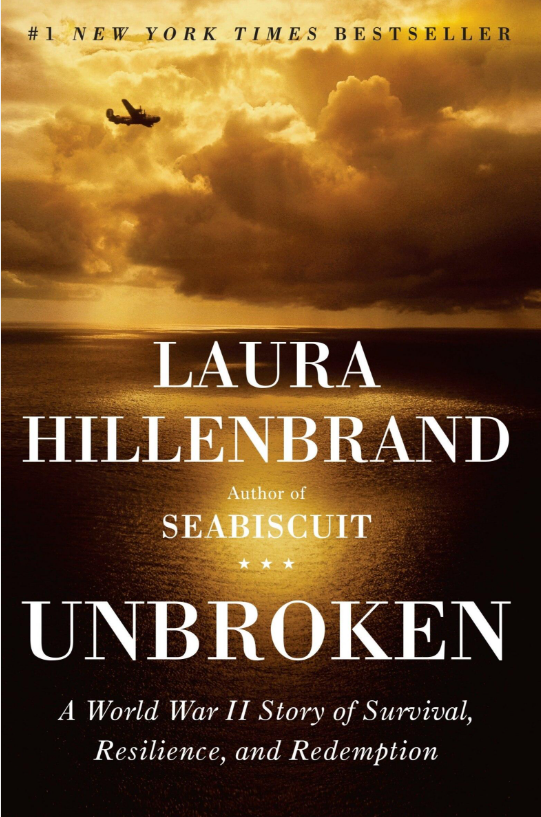
Unbroken: A World War II Story of Survival, Resilience, and Redemption
By Laura Hillenbrand
Resilience | Courage | Faith | The Human Spirit
About the Book
In Unbroken, Laura Hillenbrand tells the remarkable true story of Louis Zamperini, whose journey from a troubled childhood to Olympic competition and military service became an extraordinary testament to human endurance.
During World War II, Zamperini survived a devastating plane crash in the Pacific Ocean, spent 47 days adrift at sea, and endured brutal treatment as a prisoner of war.
Yet his story extends far beyond physical survival. After returning home, he faced the emotional consequences of his experiences and began a difficult journey toward healing, forgiveness, and redemption.
Through meticulous research and compelling storytelling, Hillenbrand explores the extraordinary capacity of the human spirit to endure suffering while continuing to search for meaning and hope.
My Reflection
What makes Unbroken especially meaningful to me is the distinction between surviving adversity and finding a way to live beyond it.
Resilience is often described as the ability to withstand hardship. Yet I believe its deeper meaning lies in what happens afterward—how we begin to heal, reclaim our sense of identity, and discover that our lives can hold purpose beyond the experiences that wounded us.
Louis Zamperini's story reminds us that outward strength does not mean we are untouched by suffering. Even those who demonstrate extraordinary courage may carry invisible wounds.
His journey also raises an important question: What does it mean to be truly free when the experiences of our past continue to influence our present?
I believe healing involves more than endurance. It asks us to confront what has happened, recognize what remains within our power, and gradually discover a way forward.
For me, Unbroken represents an enduring reminder that our experiences may shape us, but they do not have to determine the entirety of who we become.
Who Might Appreciate This Book
This book may especially resonate with:
Readers interested in true stories of extraordinary resilience and survival.
Individuals navigating adversity, loss, or difficult life transitions.
Those exploring the relationship between trauma, healing, forgiveness, and personal growth.
Leaders seeking a deeper understanding of courage, perseverance, and the human spirit.
Readers interested in World War II history and the experiences of those who endured captivity.
Anyone who believes that hope and purpose can emerge even after profound suffering.
Unbroken reminds us that resilience is not simply about surviving what happens to us. It is also about discovering who we can become afterward.
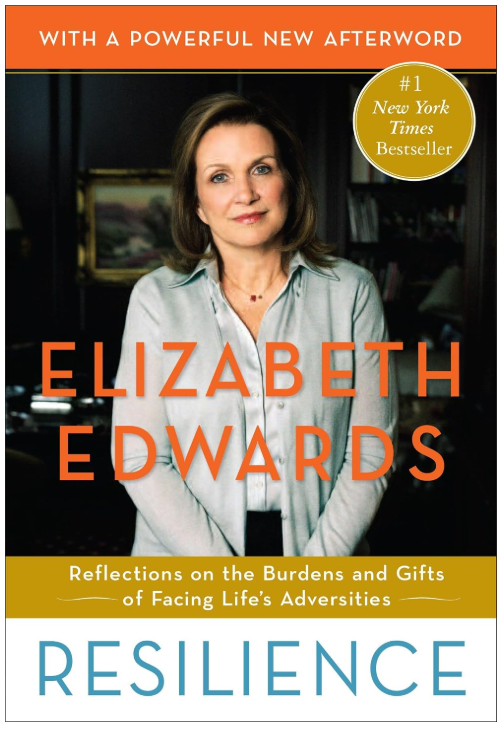
Resilience: Reflections on the Burdens and Gifts of Facing Life's Adversities
By Elizabeth Edwards
Resilience | Grief and Healing | Courage | Hope
About the Book
In Resilience: Reflections on the Burdens and Gifts of Facing Life's Adversities, Elizabeth Edwards offers an intimate and deeply human exploration of what it means to confront profound loss, uncertainty, and personal suffering while continuing to search for meaning and hope.
Drawing from her experiences following the tragic death of her sixteen-year-old son, Wade, her battle with breast cancer, and the painful public revelations surrounding her marriage, Edwards reflects on the burdens that adversity places upon us and the unexpected gifts that sometimes emerge along the way.
Rather than presenting resilience as an absence of pain or an unwavering display of strength, she acknowledges the emotional complexity of grief, disappointment, vulnerability, and the difficult work of moving forward.
Through personal reflections and the experiences of others who have faced extraordinary challenges, Edwards reminds readers that resilience is not about escaping life's hardships. It is about discovering how to continue living meaningfully in their presence.
My Reflection
What resonates most deeply with me about the themes of Resilience is the understanding that strength and vulnerability are not opposites.
Too often, we measure resilience by how well someone appears to endure suffering. We admire those who remain composed, continue fulfilling their responsibilities, and seemingly carry their burdens without complaint.
Yet I have come to believe that resilience is something far more personal and complex.
Our experiences may change how we see ourselves, others, and the world around us. Some losses cannot be undone. Some disappointments leave questions that may never be fully answered. And some wounds require a lifetime of understanding and compassion.
My own journey has taught me that healing does not require us to deny what happened or pretend that adversity was somehow a blessing.
Instead, we can acknowledge the pain while remaining open to the possibility that our experiences may deepen our empathy, strengthen our understanding of others, and guide us toward a more meaningful purpose.
I am particularly drawn to the distinction between the burdens and gifts of adversity. The gifts do not erase the burdens, nor do they justify the suffering. But they may emerge through the compassion we develop, the relationships we nurture, and the ways we choose to help others.
For me, resilience is not simply about returning to who we were before life changed us.
Sometimes it is about discovering who we are becoming.
Who Might Appreciate This Book
This book may especially resonate with:
Readers navigating grief, loss, illness, or significant personal challenges.
Individuals seeking a compassionate understanding of resilience and emotional healing.
Those who have experienced betrayal, disappointment, or unexpected changes in their lives.
People searching for meaning and hope during periods of uncertainty.
Leaders and caregivers who wish to deepen their empathy for the struggles others may carry.
Anyone who appreciates personal reflections on courage, vulnerability, and the complexity of the human experience.
Resilience reminds us that we do not have to be untouched by adversity to live with courage. Sometimes our greatest strength is found in our willingness to acknowledge what hurts, accept support, and continue moving toward a life of meaning and purpose.
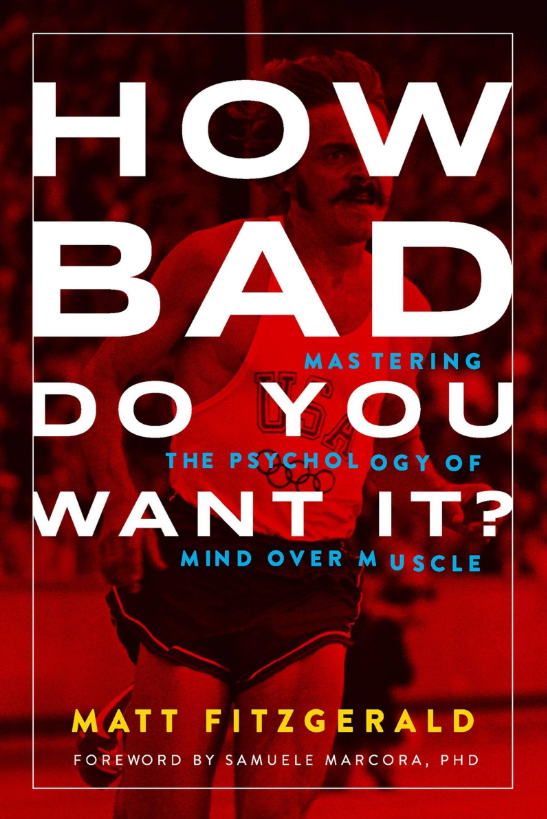
How Bad Do You Want It?: Mastering the Psychology of Mind over Muscle
By Matt Fitzgerald
Mental Resilience | Perseverance | Motivation | Personal Growth
About the Book
In How Bad Do You Want It?: Mastering the Psychology of Mind over Muscle, Matt Fitzgerald explores the fascinating relationship between the mind and the body's ability to endure physical challenges.
Drawing upon scientific research and the experiences of elite endurance athletes, Fitzgerald examines how mental preparation, motivation, confidence, and the perception of effort influence performance.
Through compelling accounts of extraordinary athletic achievements, he introduces readers to the psychological strategies that help competitors navigate discomfort, overcome setbacks, and approach the limits of their abilities.
Yet the book's lessons extend beyond athletic competition.
Fitzgerald's exploration of mental endurance invites readers to consider how their beliefs, expectations, and responses to difficulty influence their willingness to persevere.
Rather than viewing resilience solely as an inherent quality, the book presents mental toughness as something that can be developed through experience, awareness, and practice.
My Reflection
What I find particularly meaningful about the ideas explored in How Bad Do You Want It? is the relationship between our perception of difficulty and our capacity to continue moving forward.
Throughout my life, I have learned that resilience is not always about having extraordinary strength. Sometimes it is about discovering that we have more choices, more possibilities, and more inner resources than we initially recognize.
Yet I also believe there is an important distinction between perseverance and the expectation that we must continually push ourselves beyond our limits.
True resilience requires discernment.
There are moments when courage means continuing despite uncertainty. There are also moments when courage means resting, accepting support, reconsidering our direction, or recognizing that a particular burden is no longer ours to carry.
For me, the most valuable lesson is not that we should always push harder, but that we can learn to understand ourselves more deeply.
Our thoughts influence our expectations. Our experiences shape our confidence. And the meaning we attach to our goals can strengthen our willingness to pursue them.
I also believe that determination becomes most meaningful when it is connected to purpose rather than the need to prove our worth.
The question How bad do you want it? can therefore invite a deeper reflection:
What matters enough to us that we are willing to grow, adapt, and persevere—and how can we pursue it without losing compassion for ourselves along the way?
Resilience, in my experience, is not measured solely by how far we can push ourselves.
It is also reflected in the wisdom to recognize what truly matters and the courage to move toward it.
Who Might Appreciate This Book
This book may especially resonate with:
Readers interested in the psychology of resilience, motivation, and perseverance.
Athletes and fitness enthusiasts seeking to strengthen their mental approach to performance.
Individuals working toward challenging personal or professional goals.
Leaders interested in understanding mindset, confidence, and performance under pressure.
Those navigating setbacks who want to develop greater self-awareness and adaptability.
Anyone curious about the relationship between determination, perceived limitations, and human potential.
How Bad Do You Want It? reminds us that the mind plays an important role in how we approach challenges. Its lessons encourage us to examine our assumptions, strengthen our coping skills, and pursue meaningful goals with greater awareness and intention.